




















The Most Popular Way Of Filtering Water For Your Chino, CA Home
Carbon filtration is one of the most popular methods used to make water potable. In fact, carbon is used, in some capacity, in most water filtration systems. Carbon filtration system installations use activated carbon to eliminate impurities from water. This method of water filtration removes chlorine, metals, and other contaminants that could compromise the safety and taste of your water. Carbon filters are effective and inexpensive units that improve the taste, smell, and appearance of water. These filters can also lengthen the life of your water-using appliances by minimizing mineral buildup. If you’re interested in cleaner water, consider a carbon filtration system installation. J.I.G. Plumbing installs and repairs a variety of water filtration and purification systems.
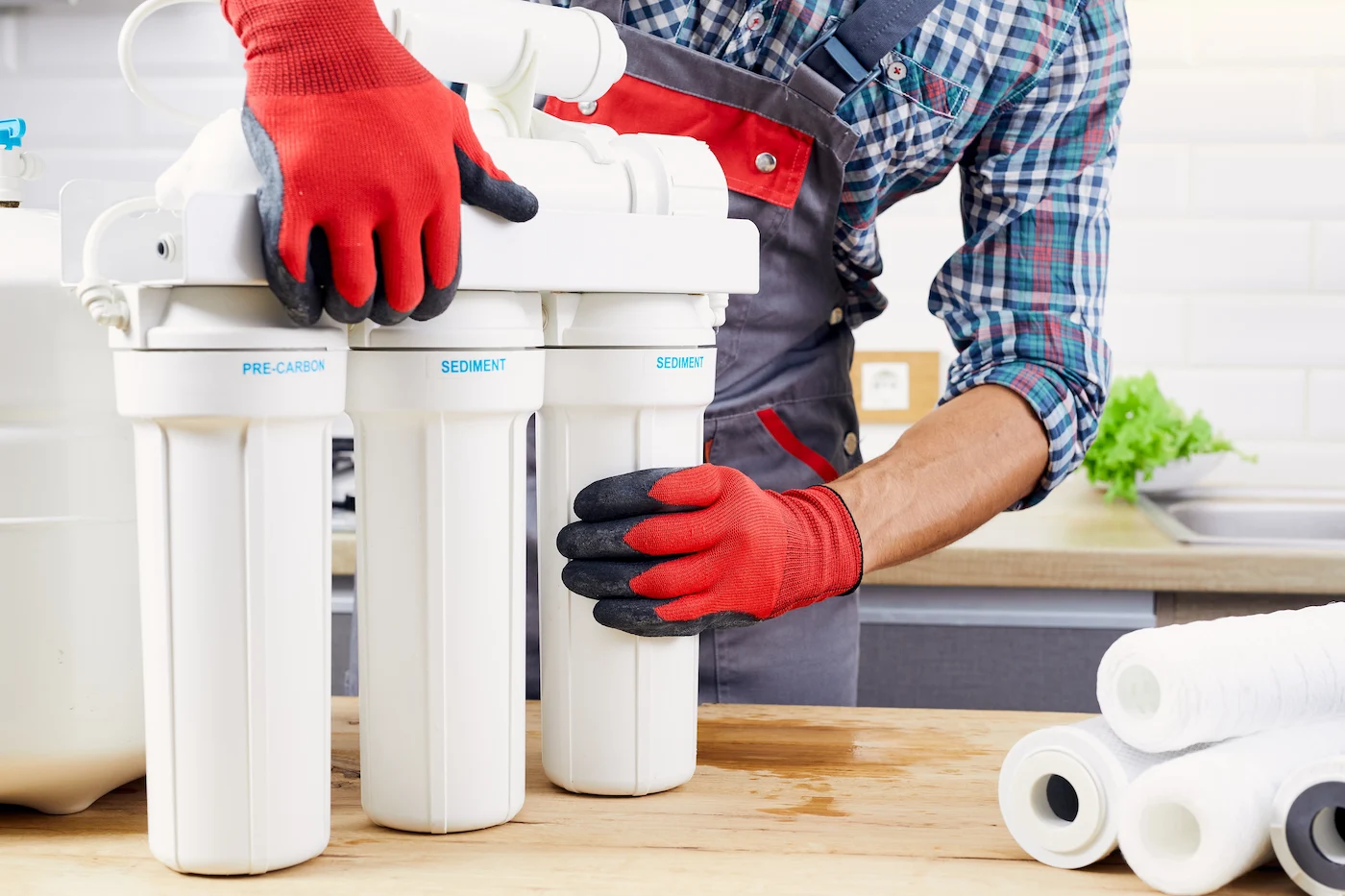

Carbon Filtration system FAQs
What are the maintenance requirements for carbon water filtration systems, and are there any special cleaning procedures?
Are carbon filtration systems effective for removing chlorine from water?
How much does a carbon filtration system cost?
How Does A Carbon Filter Work?
The foundation of most filtration systems is a source of carbon, typically extracted from coconut shells, peat, or bituminous coal. To make the filter, the source of carbon is heated to 1,000 degrees Fahrenheit in the absence of oxygen. This step bakes off all the impurities. Next, a 1,600-degree Fahrenheit steam treatment activates the carbon. The steam from this treatment leaves the carbon pieces with small cracks and pores. It is these cracks and pores that are able to capture chemicals and contaminants extracted from water. Through a process called “adsorption,” the impurities in the water are drawn out and stored in the imperfections of the carbon source. To learn more about how activated carbon works in filtration, visit Wikipedia’s Activated Carbon Guide.
What Does A Carbon Filtration System Protect Against?
There are two primary types of carbon filters: granular activated carbon (GAC) filters and carbon block filters. GAC filters consist of loose granules of activated carbon that allow for higher flow rates, effectively improving the taste and odor of water by removing contaminants such as chlorine, volatile organic compounds (VOCs), and certain chemicals. However, their loose composition can lead to channeling, where water creates pathways through the granules, potentially reducing filtration efficiency.
In contrast, carbon block filters are made by compressing fine carbon powder into a solid block. This structure provides a larger surface area, allowing for more effective removal of a broader range of contaminants, including heavy metals, sediment, pesticides, and other impurities. The compact nature of carbon block filters results in a slower flow rate compared to GAC filters, but it enhances the filtration process by ensuring water has prolonged contact with the carbon.
When choosing between GAC and carbon block filters, consider factors such as the specific contaminants you aim to remove, desired water flow rate, and maintenance preferences. For a more detailed comparison of these filter types, refer to the article Granular Activated Carbon (GAC) vs. Activated Carbon Block (CB) Water Filters.
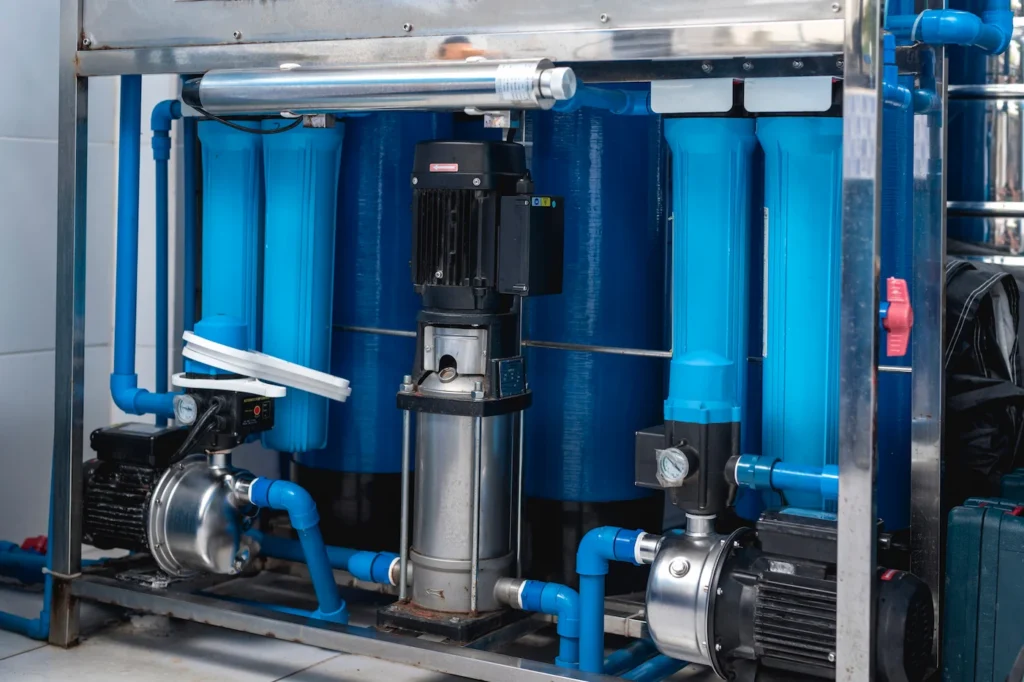

consider a carbon filtration system installation
If you’re looking for water cleaning methods in Chino, CA, consider a carbon filtration system installation. Carbon filtration is a highly effective method for filtering water, and the professionals at J.I.G. Plumbing can help.